
«المربع» بين زمنين في تاريخ العاصمة السعودية

تأثيرات تنموية لأحد أهم المشروعات العمرانية في الرياض

«المربع الجديد» سيساهم في دعم الناتج المحلي غير النفطي
TT

«المربع» بين زمنين في تاريخ العاصمة السعودية

«المربع الجديد» سيساهم في دعم الناتج المحلي غير النفطي

أتى إعلان ولي العهد السعودي الأمير محمد بن سلمان عن إطلاق شركة تطوير المربع الجديد، الواقع على تقاطع طريقي الملك سلمان والملك خالد، شمال غربي مدينة الرياض، على مساحة تتجاوز 19 كيلومتراً مربعاً، وبإجمالي مسطحات بناء يصل إلى 25 مليون متر مربع، تشمل 104 آلاف وحدة سكنية، و9 آلاف وحدة ضيافة، و980 ألف متر مربع من المساحات التجارية، بالإضافة إلى 1.4 مليون متر مربع من المساحات المكتبية، ونحو 620 ألف متر مربع لمرافق الترفيه، و1.8 مليون متر مربع للمرافق المجتمعية، تماشياً مع استراتيجية صندوق الاستثمارات العامة، التي تهدف إلى إطلاق إمكانات القطاعات الواعدة وتمكين القطاع الخاص وزيادة حجم المحتوى المحلي والمساهمة في تطوير المشروعات الكبرى. وسيساهم مشروع المربع الجديد في دعم الناتج المحلي غير النفطي بما يصل إلى 180 مليار ريال، واستحداث 334 ألف فرصة عمل. وتتوسط المشروع أيقونة «المكعب» ليجسد رمزاً حضارياً عالمياً لمدينة الرياض، بتقنياته المبتكرة، ومزاياه الفريدة وواجهاته ذات الطراز المعماري النجدي الحديث، حيث سيصبح «المكعب» أحد أكبر المعالم على مستوى العالم، وذلك بارتفاع يصل إلى 400 متر، وعرض 400 متر، وطول 400 متر، ويسهم الشكل الهندسي المميز للمكعب في توفير المساحة اللازمة لاستيعاب تفاصيل المشروع والتقنيات الخاصة به. ويمثل المكعب أحد الأشكال الهندسية التي ترمز للقوة والثبات وتتناغم مع الهوية العمرانية حيث يوجد كثير من المباني في مدينة الرياض بالشكل المكعب أو شبه المكعب، ومن أبرز تلك المباني المحكمة الجزائية في وسط الرياض، إضافة إلى مباني «وزارة الشؤون البلدية والقروية والإسكان، والمحكمة العامة، والتأمينات الاجتماعية، وشركة سابك، وغيرها». وهذا يوضح الربط العمراني بين هوية المدينة ومشروع المربع الجديد.

«المربع القديم» في الرياض

ولا بد هنا من الإشارة إلى أهمية المربع «القديم» في التاريخ العمراني والتنموي للرياض، ويمكن استعراض أبرز الخلفيات التاريخية حوله، فقد اشترى الملك عبد العزيز أرض المربع، التي كانت نخلاً لآل سفيان، تسمى «مربع آل سفيان»، وما زالت هناك حتى اليوم بئر في الجهة الشمالية الغربية تسمى «بئر سفيان»، ويرى المؤرخ الدكتور عبد اللطيف الحميد «أنه من التوافق أن شكل بناء القصور جاء مربعاً، فتطابق الماضي مع ما بعده»، وهذا جمع بين الروايات حول سبب تسمية «المربع» حيث توافق اسم المكان القديم مع شكل بناء القصر. وجاء بناء المربع كأكبر مشروع عمراني في الرياض حينذاك، وكإحدى نقاط التحول الكبرى في التاريخ العمراني للمدينة، كما مثّل بناء قصور المربع تطوراً في أنماط البناء، وتوسعاً في المباني، مع الاحتفاظ بروح الطراز العمراني المحلي، وكان «إيذاناً بعهد جديد من التطور العمراني لمدينة الرياض»، كما يشير إلى ذلك المؤرخ عبد الرحمن الرويشد. ويذكر أن بناء قصر المربع بدأ مطلع العام 1937م وانتقل إليه الملك المؤسس في أواسط العام 1938م تقريباً.
وأثناء زيارة الملك عبد العزيز للمنطقة الشرقية في ربيع العام 1939م طلب من شركة أرامكو المساهمة في إعداد دراسة تطويرية لقصور المربع ولمدينة الرياض عموماً، فأوفدت الشركة في صيف ذلك العام المهندس آي إف هيلز، الذي أعد دراسة تفصيلية تضمنت الاحتياجات التطويرية لقصور المربع ومدينة الرياض في ذلك الوقت والإمكانات المتاحة، وتقيدت الدراسة بالحد الأدنى من المواصفات والتجهيزات مراعاة للوضع الاقتصادي. كما حوى تقرير هيلز الشامل، الذي راعى الظروف المحيطة ونمو مدينة الرياض في ذلك التاريخ، الاحتياجات المختلفة للصيانة والكوادر الفنية المطلوبة والتأثيرات المناخية والمواصفات الفنية للمباني الطينية.
ومن المهم توضيح تأثير بناء المربع في ذلك الوقت على البيئة العمرانية والاجتماعية والاقتصادية للرياض خلال ثلاثينات القرن الميلادي الماضي، حيث خرجت الرياض من كونها مدينة داخل سور، حيث بدأ النمو العمراني، وصاحبه التحول الاجتماعي والاقتصادي، واستمرت التطورات الكبرى حتى أصبحت الرياض إحدى أسرع المدن نمواً في العالم.
ويمكن القول إنه بالإعلان عن المربع الجديد ستدخل الرياض مرحلة تحول مختلفة، ستحقق من خلالها مستهدفات استراتيجية الرياض 2030 بأن تكون أحد أكبر 10 اقتصاديات مدن في العالم، وبعدد سكان يصل إلى 20 مليون نسمة، وأن تكون وجهة للاستثمار والسياحة العالمية، لذا تم اختيار اسم المربع الجديد لهذا المشروع نظراً للقيمة التاريخية والتأثيرات التنموية للمربع (القديم) على مدينة الرياض، وما يمكن أن يحدثه مشروع المربع الجديد من تأثير إيجابي على مستقبل الرياض الكبرى.
* كاتب وباحث سعودي.


IMF Forecasts Saudi Economy to Grow 7.9% in 2027

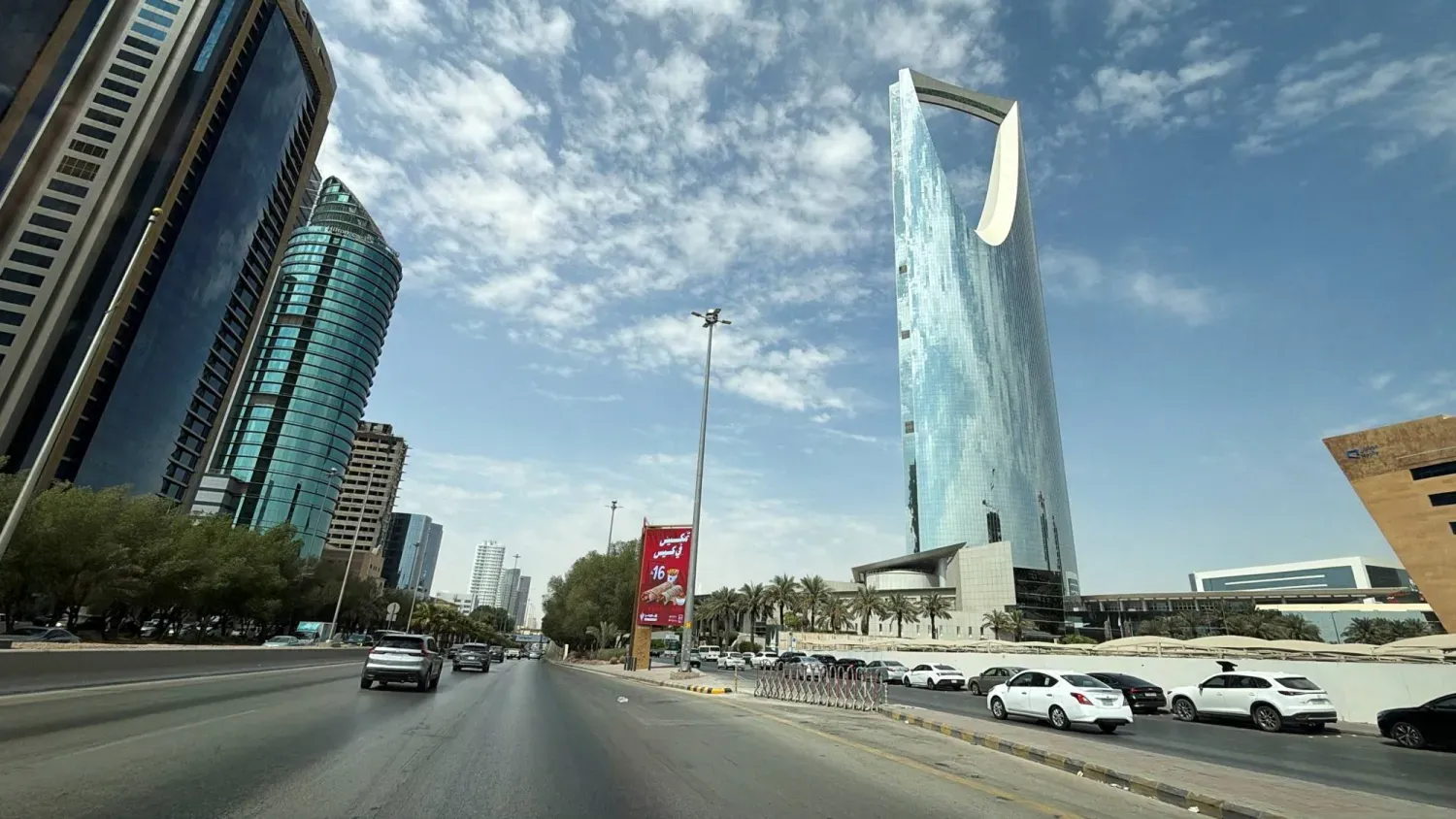
General view of the Kingdom Tower in downtown Riyadh, Saudi Arabia, October 12, 2026. Picture taken with a mobile phone. REUTERS
TT

IMF Forecasts Saudi Economy to Grow 7.9% in 2027

General view of the Kingdom Tower in downtown Riyadh, Saudi Arabia, October 12, 2026. Picture taken with a mobile phone. REUTERS

The International Monetary Fund (IMF) expects the Saudi economy to record strong growth of 7.9 percent in 2027, reflecting a projected recovery in energy production and exports, as well as the gradual restoration of regional trade flows as war-related disruptions ease and the Strait of Hormuz reopens under the report’s baseline scenario.

The forecast highlights the Saudi economy’s ability to regain momentum after the pressures caused this year by disruptions to energy production and transportation. Saudi Arabia is expected to benefit from its diversified oil export routes and infrastructure, which allow part of its exports to be shipped via the Red Sea rather than through the Strait of Hormuz.

In its October World Economic Outlook, the IMF projected that Saudi Arabia’s economy would contract by 3.3 percent in 2026 before rebounding to 7.9 percent growth in 2027.

In its April forecasts, the Fund had expected growth of 3.1 percent in 2026 and 4.5 percent in 2027, reflecting a significant shift in projections due to developments in the conflict and assumptions regarding the resumption of economic activity.

Export Infrastructure Supports Economic Resilience

Saudi Arabia benefits from alternative oil-export outlets, most notably the East-West Pipeline, which transports crude oil from the Eastern Province to the Red Sea port of Yanbu with a capacity of approximately 7 million barrels per day.

The Kingdom aims to raise pipeline capacity to 10 million barrels per day, enhancing the flexibility of its export system in the face of maritime disruptions.

These alternatives strengthen Saudi Arabia’s ability to mitigate the impact of shipping interruptions on oil flows. Under the IMF’s forecasts, the gradual recovery of production and exports is expected to support economic activity next year.

Gulf Recovery Driven by Rebound in Energy Production

The strong growth forecast is not limited to Saudi Arabia. The IMF also expects several Gulf economies to recover sharply in 2027 as production, exports, and logistics services rebound.
Projected growth rates for 2027 are Qatar 18.8%, Kuwait 17.1%, Bahrain 13.9%, the United Arab Emirates 7.7% and Oman 2.2%.

These forecasts follow severe pressure during 2026, when the IMF expects Kuwait’s economy to contract by 16.7%, Qatar’s economy by 15.6%, Bahrain’s economy by 11.3% and the UAE economy to contract by 3.9%.

Meanwhile, Oman is expected to achieve growth of 4.1 percent in 2026.

The IMF’s baseline scenario assumes that the Strait of Hormuz will begin reopening in March 2027, with a broad return to pre-war conditions by October 2027. This would allow energy flows, shipping, insurance services, and payment systems to recover gradually.

The pace of this recovery remains dependent on the course of the conflict and the stability of maritime navigation. Nevertheless, Saudi Arabia’s diversified export routes provide an important buffer, enhancing the economy’s capacity to absorb shocks and restore growth as regional conditions improve.


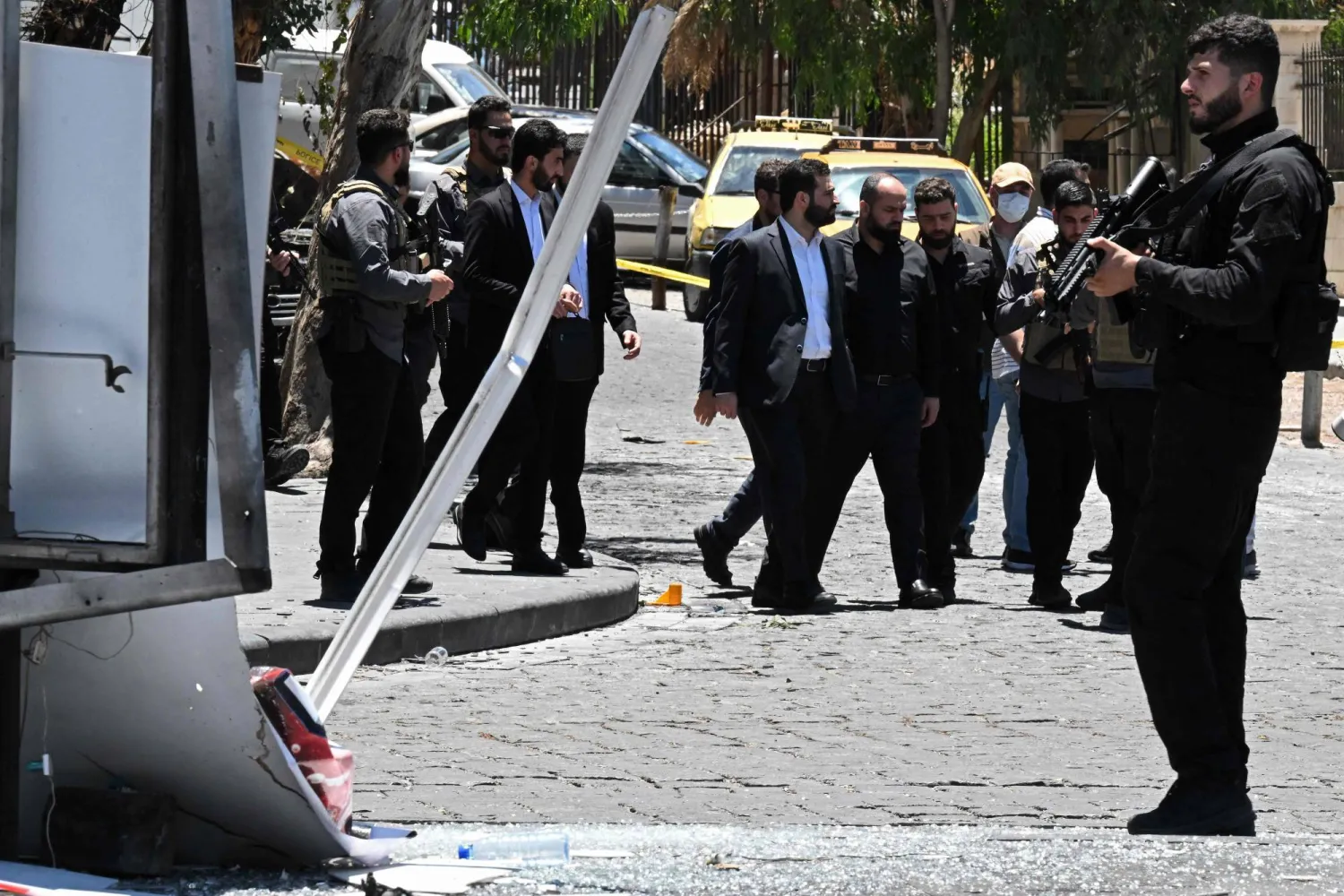
Syria Establishes ‘Capital Security Service’ to Bolster Damascus Security

Syria's Interior Minister Anas Khattab (C) inspects an area near the Four Seasons Hotel following two blasts in Damascus on July 7, 2026. (Photo by LOUAI BESHARA / AFP)
TT

Syria Establishes ‘Capital Security Service’ to Bolster Damascus Security

Syria's Interior Minister Anas Khattab (C) inspects an area near the Four Seasons Hotel following two blasts in Damascus on July 7, 2026. (Photo by LOUAI BESHARA / AFP)

Syria established a special security service apparatus for its capital, Damascus, in a bid to bolster security, uncover sleeper cells and thwart attempts to destabilize the city, a senior Syrian military official told Asharq Al-Awsat Tuesday.

The official told the daily that the Capital Security Service was established and Brig. Gen. Abdul Aziz Hilal al-Ahmad appointed as its chief to “bolster security in Damascus through a more targeted approach and uncover any sleeper cells seeking to undermine the capital’s security.”

The official said he did not believe Damascus faced any immediate threat, but warned that “sabotage cells” continued to seek to undermine security in the capital, driven by foreign agendas and ties. He also accused Israel and Iran of seeking to destabilize Syria by backing local sabotage groups operating across several provinces.

The official stressed that Damascus hosts foreign embassies, diplomatic missions and offices of international and United Nations agencies and organizations, making it a key center of state sovereignty. Any breach of the capital’s security would undermine the state’s credibility and authority, he said, adding that the new service was intended to thwart attempts to unsettle the city.

Brig. Gen. Abdul Aziz Hilal al-Ahmad previously headed internal security in Latakia province, where he led operations against armed groups and former military and security figures linked to Bashar al-Assad’s regime after taking office on May 25, 2025.

No official decree announcing al-Ahmad’s appointment has been issued, though security and military sources confirmed it to several media outlets, including Asharq Al-Awsat. On Saturday, the Interior Ministry named Brig. Gen. Nayef al-Ibrahim as his successor in Latakia.

Since the ouster of the former regime, Syria’s new authorities have worked to rebuild and modernize the security sector with regional and international support. However, repeated security incidents in Damascus over the past two years have underscored persistent instability and security gaps, with experts saying much work remains to prevent further bombings.

Wael Alwan, executive director of the Jusoor Center for Studies, told Asharq Al-Awsat that authorities were working to restore security and stability across Syria, but intelligence reports pointed to activity in Damascus by Iran-backed Hezbollah and affiliated local groups, as well as ISIS.

He said previous attacks by ISIS cells and remnants of the former regime appeared aimed more at generating media attention than striking strategic security, political or military targets, citing rocket fire toward the Mazzeh area and explosions during the French president’s visit.

Alwan said Iran-backed groups, ISIS and Israeli interference sought to portray Syria as unstable and its government as unable to maintain security, undermining recovery by deterring investment, curbing tourism and deepening economic and social pressures. He added that Iran stood to benefit from chaos, which could create opportunities for its allied militias and former regime loyalists to return, rebuild their networks and expand their influence.

Alwan said the establishment of the Capital Security Service reflected the government’s cautious approach and efforts to preempt security threats by strengthening surveillance and intelligence capabilities to track former regime loyalists, ISIS cells and Iran-backed operatives, and thwart attacks before they occur.

For his part, Syrian political and security researcher Diaa Qaddour told Asharq Al-Awsat that the appointment was part of a broader restructuring of security agencies following the ouster of the former regime, reflecting a focus on securing the capital against threats from ISIS and dormant Iran-linked cells to reinforce state authority and prevent chaos.


IMF, 2027’de Suudi Arabistan ekonomisinin yüzde 7,9 büyümesini öngörüyor

Suudi Arabistan'ın başkenti Riyad'dan, (Reuters)
TT

IMF, 2027’de Suudi Arabistan ekonomisinin yüzde 7,9 büyümesini öngörüyor

Suudi Arabistan'ın başkenti Riyad'dan, (Reuters)

Uluslararası Para Fonu (IMF), Suudi Arabistan ekonomisinin 2027 yılında yüzde 7,9 oranında güçlü bir büyüme kaydetmesini bekliyor. Bu öngörüde, enerji üretimi ve ihracatındaki toparlanmanın yanı sıra bölgesel ticaretin kademeli olarak yeniden canlanması, savaş kaynaklı aksaklıkların azalması ve raporun temel senaryosu kapsamında Hürmüz Boğazı’nın yeniden açılması etkili oluyor.

Tahminler, Suudi Arabistan ekonomisinin bu yıl enerji üretimi ve taşımacılığında yaşanan aksaklıkların yol açtığı baskıların ardından yeniden ivme kazanabileceğine işaret ediyor. Petrol ihracat güzergâhlarının çeşitliliği ve ihracatın bir bölümünün Hürmüz Boğazı’na uğramadan Kızıldeniz üzerinden gerçekleştirilebilmesini sağlayan altyapı, ülkenin toparlanma kapasitesini destekleyen başlıca unsurlar arasında yer alıyor.

IMF, ekim ayında yayımladığı Dünya Ekonomik Görünümü raporunda Suudi Arabistan ekonomisinin 2026’da yüzde 3,3 daralacağını, 2027’de ise yüzde 7,9 büyüyeceğini öngördü. Şarku’l Avsat’ın edindiği bilgiye göre Fon, nisan ayında yayımladığı tahminlerinde 2026 için yüzde 3,1, 2027 için ise yüzde 4,5 büyüme bekliyordu. Tahminlerdeki bu belirgin değişim, savaşın seyrindeki gelişmeleri ve ekonomik faaliyetlerin yeniden başlamasına ilişkin varsayımları yansıtıyor.

İhracat altyapısı ekonomik dayanıklılığı destekliyor

Suudi Arabistan ekonomisi, alternatif petrol ihracat güzergâhlarına sahip olmasından yararlanıyor. Bu güzergâhların başında, ham petrolü ülkenin doğusundaki petrol sahalarından Kızıldeniz kıyısındaki Yanbu Limanı’na taşıyan Doğu-Batı Petrol Boru Hattı geliyor. Hattın günlük taşıma kapasitesi yaklaşık 7 milyon varile ulaşıyor.

Suudi Arabistan, petrol boru hatlarının toplam kapasitesini günlük 10 milyon varile çıkarmayı hedefliyor. Bu adımın, deniz taşımacılığında yaşanabilecek aksaklıklar karşısında ihracat sisteminin esnekliğini artırması amaçlanıyor.

Alternatif güzergâhlar, deniz taşımacılığındaki sorunların petrol akışına etkisini sınırlama imkânı sunuyor. IMF’nin varsayımlarına göre üretim ve ihracatın kademeli olarak toparlanması da gelecek yıl ekonomik faaliyetleri destekleyecek.

Körfez ekonomilerinde enerji üretiminin yeniden başlamasıyla toparlanma beklentisi

Güçlü büyüme beklentisi yalnızca Suudi Arabistan ile sınırlı değil. IMF, enerji üretimi ve ihracatının yanı sıra lojistik faaliyetlerin yeniden canlanmasıyla diğer Körfez ekonomilerinin de 2027’de yüksek büyüme oranlarına ulaşacağını öngörüyor.

Fonun 2027 yılına ilişkin büyüme tahminleri şöyle:

Katar: Yüzde 18,8

Kuveyt: Yüzde 17,1

Bahreyn: Yüzde 13,9

Suudi Arabistan: Yüzde 7,9

Birleşik Arap Emirlikleri: Yüzde 7,7

Umman: Yüzde 2,2

Bu tahminler, 2026 yılında yaşanması beklenen ciddi ekonomik daralmaların ardından geliyor. IMF, 2026’da Kuveyt ekonomisinin yüzde 16,7, Katar ekonomisinin yüzde 15,6 ve Bahreyn ekonomisinin yüzde 11,3 daralacağını öngörüyor. Birleşik Arap Emirlikleri için yüzde 3,9 daralma beklenirken, Umman ekonomisinin yüzde 4,1 büyüyeceği tahmin ediliyor.

Hürmüz Boğazı’nın yeniden açılması temel senaryonun parçası

IMF’nin temel senaryosu, Hürmüz Boğazı’nın Mart 2027’de yeniden açılmaya başlamasını ve aynı yılın ekim ayına kadar genel olarak savaş öncesi koşullara dönülmesini öngörüyor. Bu süreçte enerji akışının, deniz taşımacılığının, sigorta işlemlerinin ve ödemelerin kademeli olarak normale dönmesi bekleniyor.

Bununla birlikte, toparlanmanın ne kadar hızlı gerçekleşeceği çatışmaların seyrine ve deniz ulaşımının istikrar kazanmasına bağlı olacak. Suudi Arabistan’ın alternatif ihracat güzergâhları ise bölgesel koşulların iyileşmesiyle birlikte ekonominin dış şokları absorbe etme ve büyüme ivmesini yeniden kazanma kapasitesini destekleyen önemli bir unsur olarak öne çıkıyor.